The Balance of City and Nature: New Standard of Living by the Hrazdan Gorge in Yerevan
Modern cities are changing very quickly, and with this change comes a growing pressure on how people live, work, and rest within urban environments that are becoming more dense, more noisy, and more demanding. In many cities, including Yerevan, residents increasingly experience a lifestyle where time feels compressed, where movement is constant, and where access to calm and natural environments requires planning rather than being part of everyday life. This shift has created a strong demand for living spaces that can restore balance between urban convenience and natural comfort, allowing people to stay connected to the city while also regaining access to quiet, open, and healthy surroundings.
In Yerevan, one of the few remaining areas where this balance is still possible is the zone surrounding the Hrazdan Gorge. This unique geographical area introduces a completely different rhythm of life, where natural landscapes coexist with urban infrastructure in a way that feels organic rather than forced, and where daily living can benefit from both accessibility and environmental quality.
Nature within the city
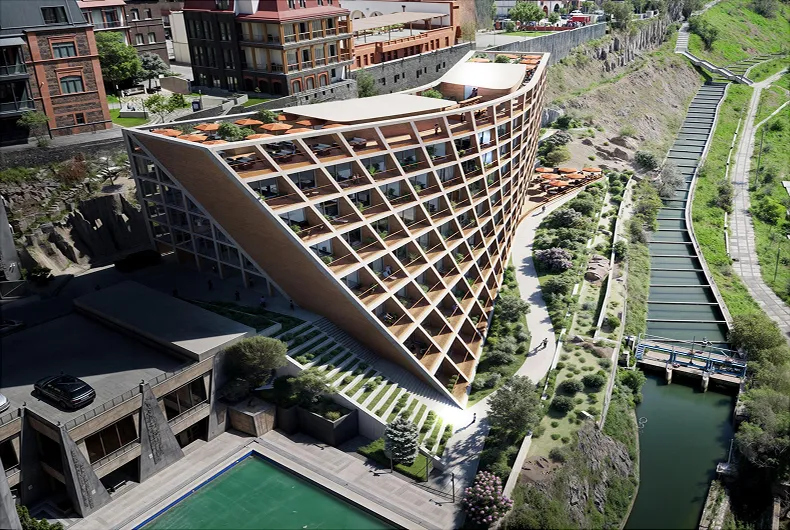
What makes the Hrazdan Gorge area especially valuable is the immediate presence of nature within an urban setting, which is increasingly rare in modern city planning, where natural landscapes are often pushed to the outskirts and separated from residential life. In this location, however, green slopes, river landscapes, and open natural formations remain an active part of the visual and physical environment, meaning that nature is not something that needs to be visited but rather something that surrounds daily life.
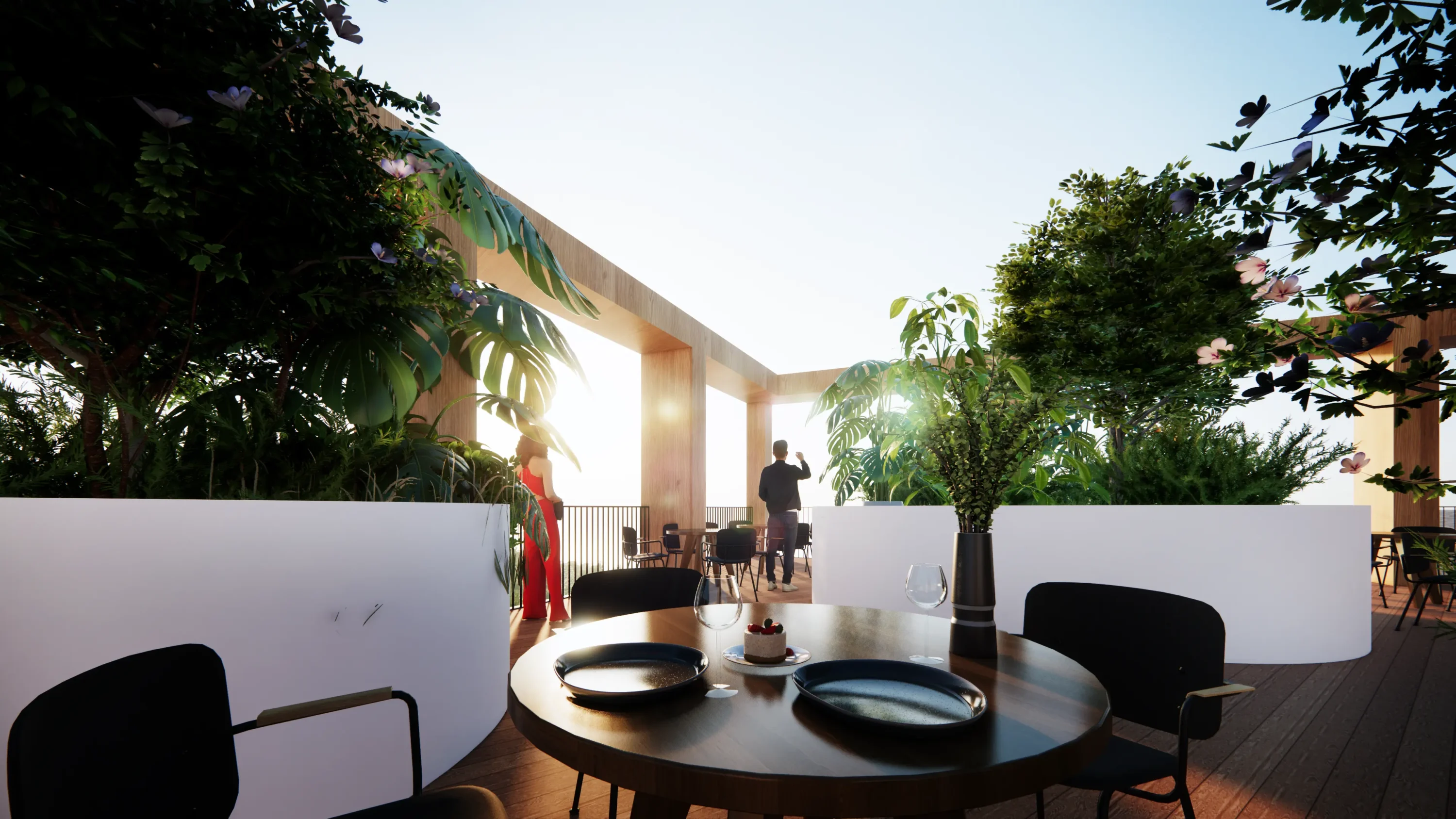
This proximity to nature gradually changes how people experience routine activities, as even simple moments such as looking out of a window, taking a short walk, or spending time outdoors become more restorative and emotionally grounding. Over time, this kind of environment encourages a slower and more balanced rhythm of living, where the presence of natural elements supports mental clarity and reduces the sense of fatigue that often comes from continuous urban stimulation.
Air quality, silence, and open space
Another defining characteristic of this area is the noticeable difference in air quality and overall environmental comfort when compared to more central and densely populated districts of the city. Reduced traffic intensity and the presence of natural airflow patterns contribute to cleaner and lighter air conditions, which directly influence both physical comfort and long-term well-being.
Alongside air quality, the level of noise pollution is also significantly lower, which creates a sense of silence that is not absolute emptiness but rather a stable background that allows the mind to relax and reset. In dense urban environments, constant sound becomes a form of background stress that people often do not consciously notice but still experience emotionally. In contrast, quieter environments help reduce cognitive load and support a more balanced mental state.
Open space further enhances this effect, as the visual experience of wider horizons, greater distance between buildings, and uninterrupted natural views contributes to a psychological feeling of freedom. Human perception is strongly influenced by spatial openness, and environments that avoid visual congestion tend to create a stronger sense of comfort and ease.
Lower density and more thoughtful urban form
One of the key differences between central city districts and the Hrazdan Gorge area is the level of construction density, which directly influences how people experience privacy, light, and spatial comfort in their daily lives. In highly dense urban zones, buildings are often placed close together, resulting in limited natural light, reduced privacy, and a general sense of compression that affects long-term comfort.
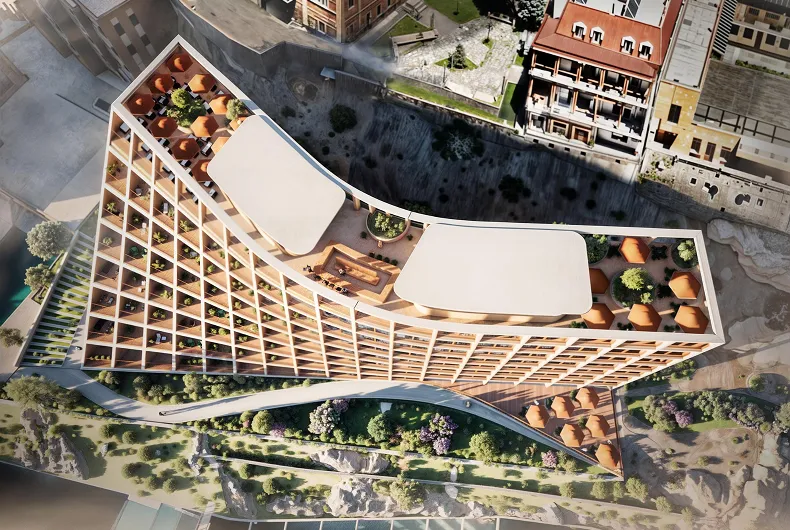
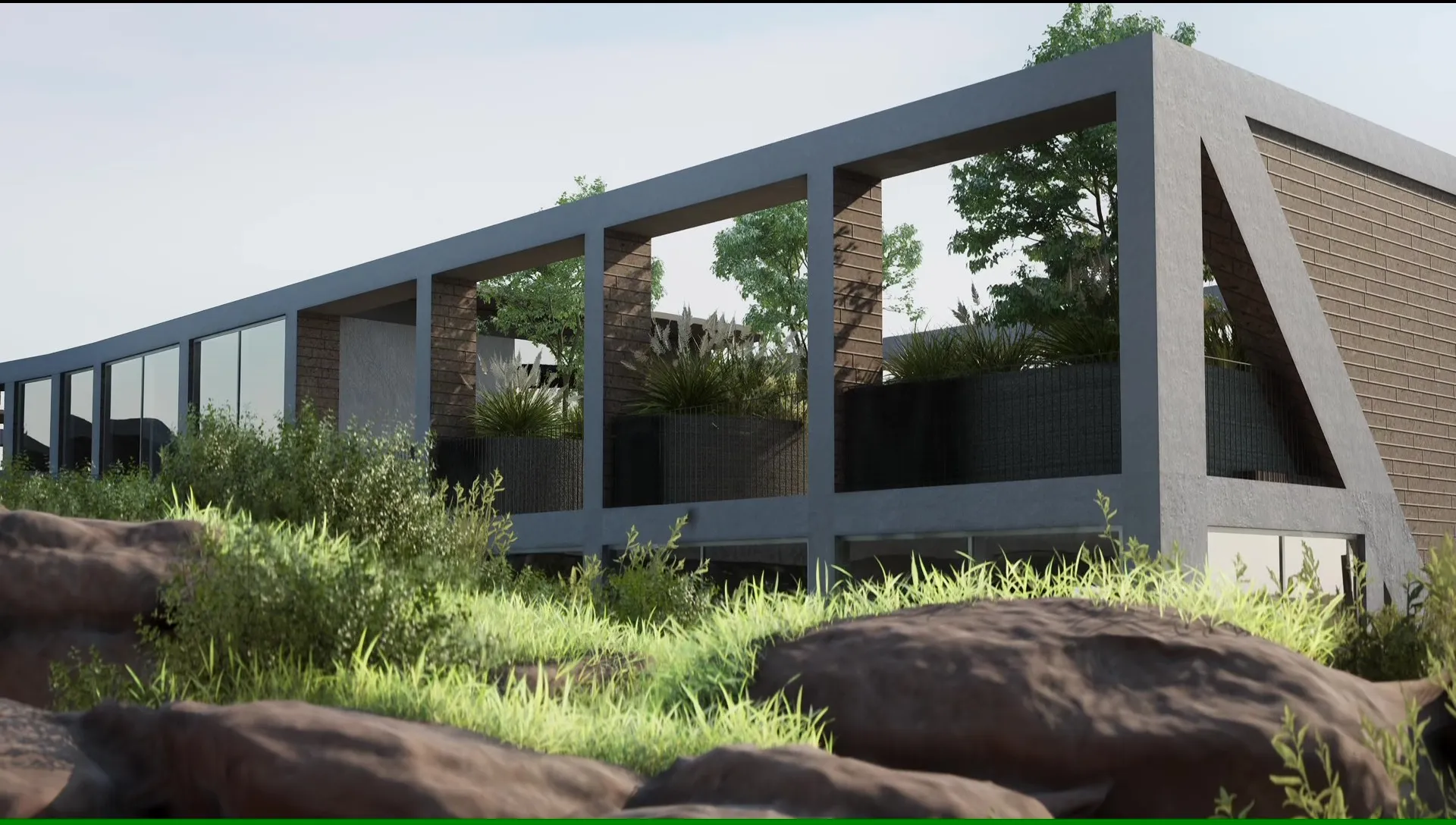
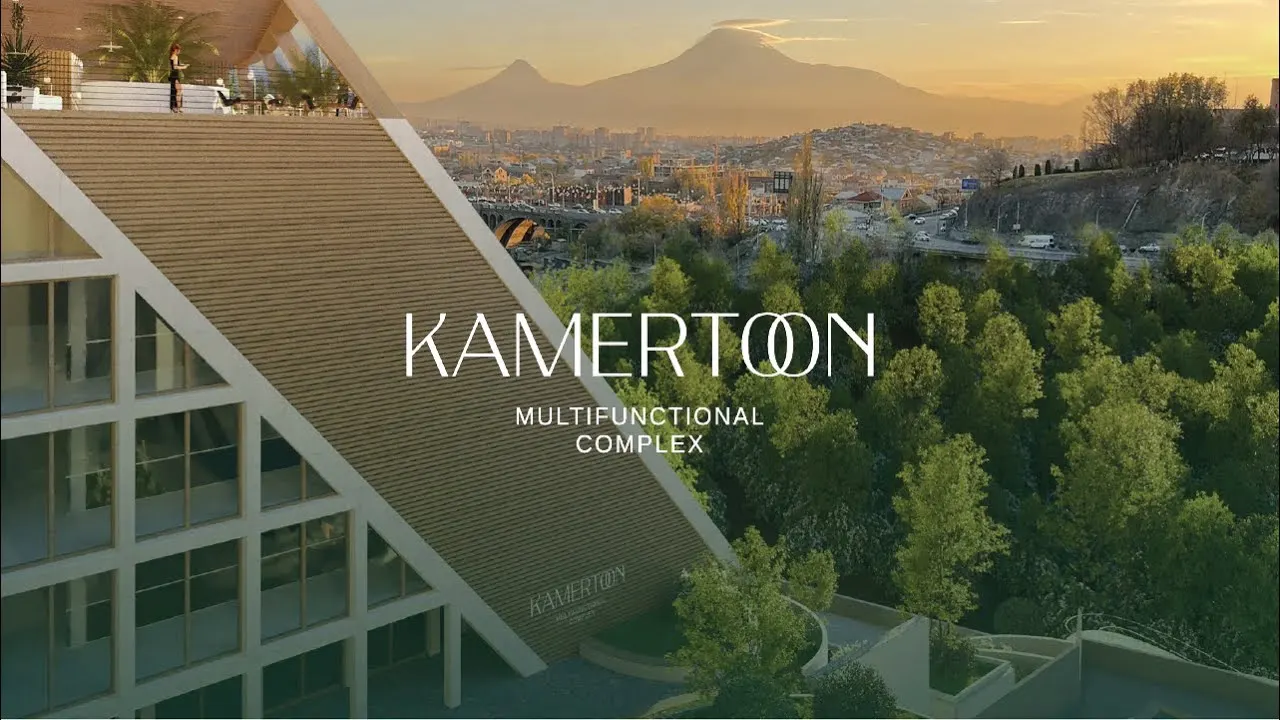
In contrast, lower-density development allows for a more human-centred approach to architecture, where buildings are integrated into the landscape rather than dominating it. The residential concept developed by Kamertoon reflects this philosophy by prioritizing space, proportion, and environmental harmony over maximum land use intensity. This results in living environments where natural light is more abundant, views are more open, and residents experience a greater sense of personal space within their homes.
Emotional and health value of the environment
The relationship between environment and human well-being is increasingly recognized as a fundamental aspect of modern living, as research consistently shows that access to natural surroundings, reduced noise levels, and improved air quality all contribute to lower stress levels and better overall health outcomes. In environments where nature is integrated into daily life, people tend to experience improved sleep quality, more stable emotional states, and a greater sense of psychological resilience.
The Hrazdan Gorge area naturally supports these conditions by offering a living environment where the nervous system is less exposed to constant stimulation and where recovery becomes part of the everyday experience rather than something that requires effort or travel. Over time, this leads to a more sustainable lifestyle pattern where health is supported not only through personal habits but also through the surrounding environment itself.
A new direction for eco luxury living
The concept of luxury in real estate is undergoing a significant transformation, moving away from purely visual or location-based definitions toward a more holistic understanding that includes comfort, health, space, and environmental quality. Eco luxury is no longer simply about materials or design aesthetics but about how a place supports human life on a daily level.
Within this evolving context, Kamertoon represents a new interpretation of residential development in Yerevan, where architecture is designed to work in harmony with nature and where living space is defined by balance rather than excess. The Hrazdan Gorge area itself becomes an essential part of this concept, as it provides the natural foundation for a lifestyle that combines urban accessibility with environmental well-being.
This approach reflects a broader shift in how cities are understood, suggesting that the future of urban living does not require separation from nature but rather integration with it, and that the highest form of modern comfort may be found in environments where both can coexist naturally.