What Makes a Building Earthquake-Safe and Future-Proof
Yerevan sits in an active seismic zone, and for anyone evaluating a long-term property purchase, this is not a detail to overlook. Earthquake-resistant construction in Yerevan has become a defining factor in how buyers assess quality, not just an engineering footnote buried in project documentation. Understanding what actually makes a building safe, and future-proof, helps buyers separate genuine structural quality from surface-level finishes.
Why seismic safety starts with the foundation
Earthquake-resistant construction in Yerevan begins long before the visible structure takes shape. The foundation design, soil analysis, and structural framing determine how a building will behave under seismic load. Reinforced concrete cores, flexible structural joints, and load distribution systems are what allow a building to absorb and dissipate seismic energy rather than transferring it directly into the structure.
Reinforced construction against seismic risk is not a single feature but a system, one where every structural element is designed to work together during an event, not just meet a minimum code requirement in isolation.
Beyond code minimums
Local building codes set a baseline for structural resilience, but the baseline is not the same as genuine safety. Some developers build exactly to code; others engineer meaningfully beyond it, using higher-grade materials, additional structural redundancy, and more conservative safety margins.
This is where earthquake-resistant construction in Yerevan starts to vary significantly between projects. Buyers evaluating long-term value should ask specifically about the structural engineering standards used, not just whether a project is “compliant,” since compliance is a floor, not a benchmark of quality.
Building durability over decades
Seismic performance is closely tied to building durability more broadly. A structure engineered for genuine earthquake-resistant construction in Yerevan typically also uses materials and systems designed to perform reliably over decades, not just survive a single stress event.
This includes corrosion-resistant reinforcement, quality concrete curing processes, and facade systems built to withstand both seismic movement and years of weather exposure. This, in a real sense, is a proxy for how seriously a developer approached engineering from the start.
Future-proof construction goes beyond structure
Future-proof construction is about more than surviving an earthquake. It also means a building can adapt to changing infrastructure needs, energy efficiency expectations, and technology requirements over its lifespan, without requiring disruptive retrofits.
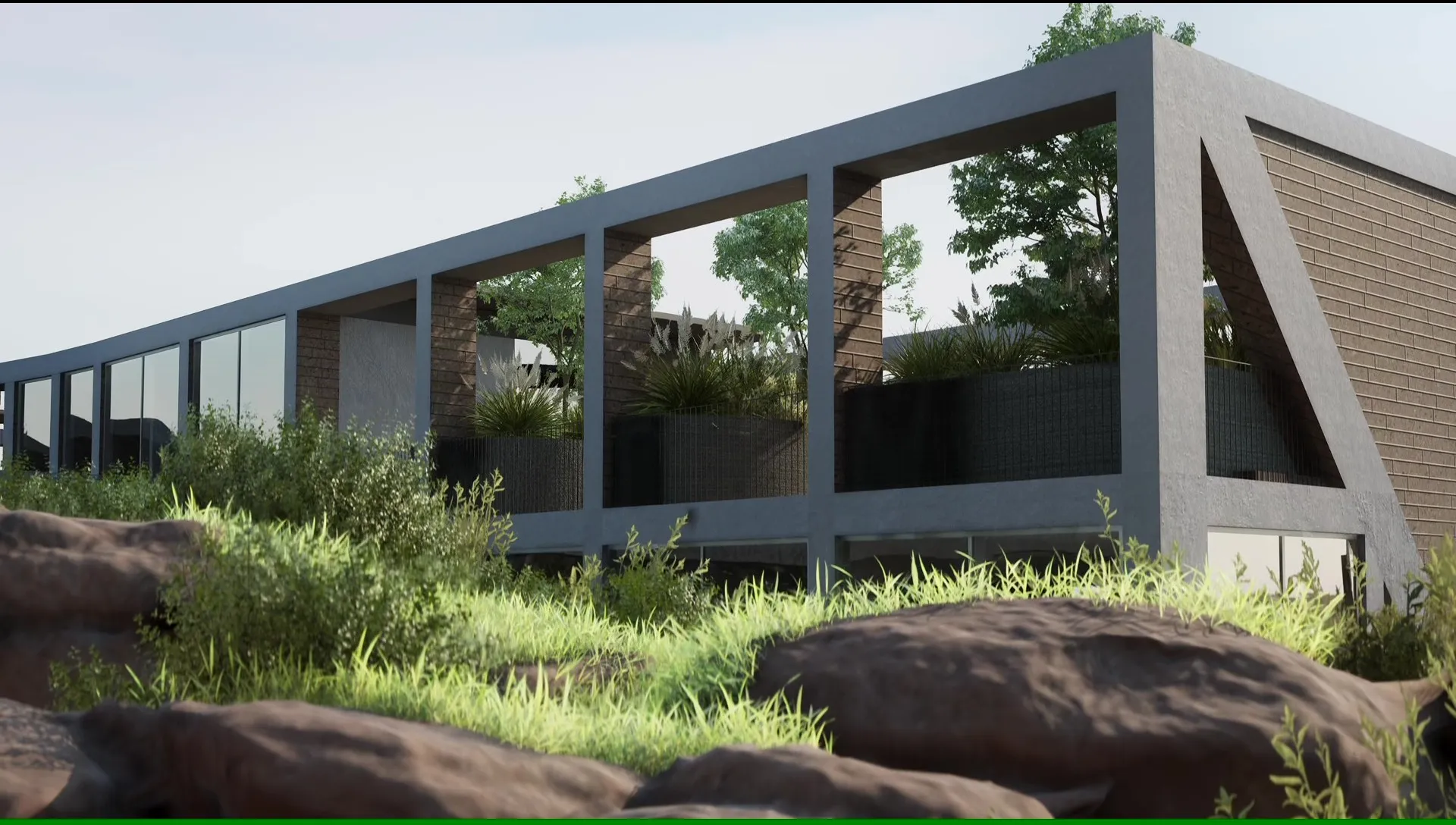
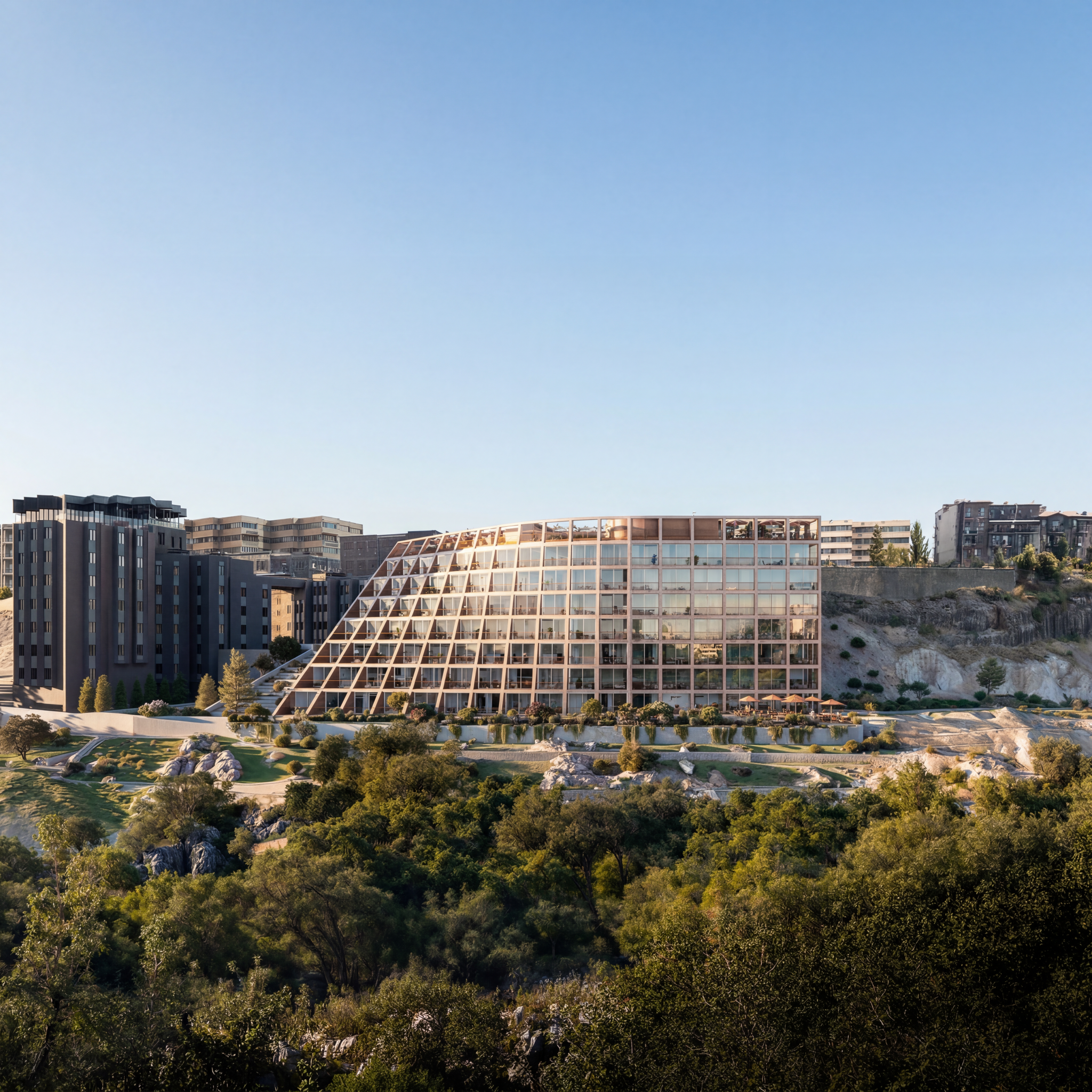
In developments like Kamertoon, this forward-looking approach is treated as a design principle from the earliest planning stages, covering everything from structural resilience to systems that can be upgraded as technology and regulations evolve, rather than becoming outdated within a decade.
What buyers should actually look for
Buyers evaluating earthquake-resistant construction in Yerevan should ask about the structural engineering firm involved, the seismic design category the project was built to, and whether independent inspections were carried out during construction, not just at final handover.
Seismic safety documentation, structural certificates, and transparency about the engineering process are strong indicators of a developer who takes building durability seriously, rather than treating it as a marketing claim.
Final thoughts
Earthquake-resistant construction in Yerevan is not a checkbox. It’s a combination of foundation engineering, material quality, structural redundancy, and long-term thinking that separates genuinely resilient buildings from those that simply meet minimum requirements.
In multifunctional developments like Kamertoon, seismic safety and future-proof construction are treated as inseparable priorities, giving buyers not just protection today, but a building durability that holds up decades into the future.